
Engineering Expertise
About Us
WHO WE ARE
aBOUT EEE
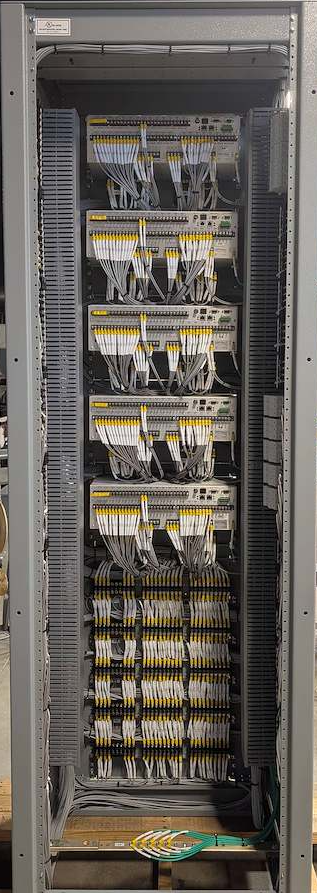
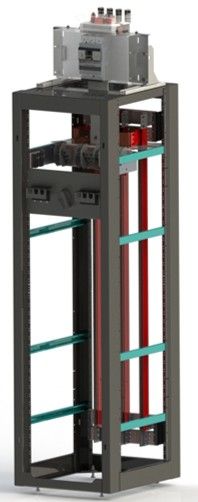
EEE is the result of the strategic merger of Electric Equipment & Engineering Co & Endpoint Industrial Controls. Our mission is to design, engineer, and manufacture electrical solutions to support critical power infrastructure.
Our Story
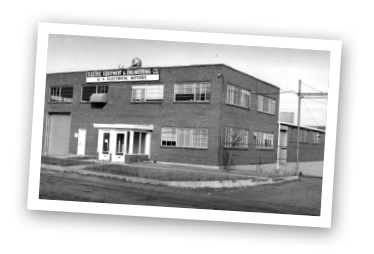
For over a century, Electric Equipment & Engineering Co. has designed and manufactured electrical equipment for the telecommunications and power industries — from Denver, Colorado, since 1922. Endpoint Industrial Controls brought decades of expertise in automation, controls, and power distribution to industries like oil & gas, renewables, and manufacturing. Together, we combine a century of manufacturing heritage with modern controls and automation capability — giving customers a partner who can take a solution from design through delivery for infrastructure the nation's critical facilities can rely on.
01
What Sets Us Apart
Vertically integrated
Our manufacturing capabilities include two fully integrated machine shops, allowing us to control our own supply chain and meet design requirements others can't.
Engineering-led
Every solution starts with our in-house electrical and mechanical engineering team, not a catalog — so what you get is built for your application.
UL-certified manufacturing
We hold certifications including UL891, UL1008, UL508A, UL698A, UL489, UL50E, UL 67 and UL 1558. Every product is engineered to meet UL and NEC standards.
Proven reliability
We have gear installed in all 50 states, supporting mission-critical facilities in telecom, utility infrastructure, data centers, healthcare, and industrial applications.
Our Value Proposition
Customers come to EEE when they need equipment that simply cannot fail — power transfer, distribution, and control systems that keep critical infrastructure running. We deliver that reliability through in-house engineering, UL-certified manufacturing, and a track record that spans a century.
Meet Our Founders
In 1907, an 11-year-old immigrant named Anthony Morroni arrived in the United States with little more than ambition. Fifteen years later, in 1922, that ambition became Electric Equipment & Engineering Co. — a small motor repair shop that would go on to become an authorized distributor for US Motors.
By 1940, Anthony had steered the company into an entirely new arena: supplying backup power solutions to the telecommunications industry, a bet on infrastructure that would come to define EEE's next century. Four decades later, in 1980, that same drive for innovation led the company to deliver its first paralleling gear system for a data center — years ahead of the industry's shift toward the always-on infrastructure we now take for granted.
Read More
Three generations of Morronis have carried that legacy forward. Today, Craig and Mike Morroni continue that tradition at EEE, the living link between the motor repair shop of 1922 and the company EEE has become
Endpoint Industrial Controls was founded in 2019 by John Clay and Bevin Bailey, who left Houston's energy corridor for Fort Collins, Colorado, to build a company around a problem they both understood well: industrial automation and controls that actually hold up in the field.
John brought an engineer's discipline to the venture, built over a career that started in the Army Corps of Engineers and continued at Dow and Noble Energy, where he specialized in solving automation and controls challenges for demanding industrial environments. Bevin brought a geophysicist's eye for how complex systems actually behave, from her time at Chevron. Together, they set out to build the kind of controls partner their own industry experience told them was missing.
From the start, Endpoint set out to solve customer challenges across automation, controls, and power distribution — a broad scope that would define the company's growth: build what the customer actually needs, not just what's on the shelf. That philosophy was tested almost immediately. Shortly after founding Endpoint, COVID-19 disrupted supply chains nationwide, and as the company hit constraints trying to scale, John and Bevin responded by investing in the machines and capabilities to control more of their own supply chain rather than depend on it. That mindset — build the capability in-house rather than wait on it — became the foundation for the manufacturing strength EEE depends on today.
A New Chapter
In December 2024, HKW — a middle-market private equity firm focused on partnering with growth-oriented manufacturers — acquired Electric Equipment & Engineering Co., marking a new chapter after three generations of Morroni family ownership and setting the stage for the company's next phase of growth.
A little over a year later, in January 2026, that growth took its next step: HKW's EEE completed a strategic merger with Endpoint Industrial Controls, bringing together Endpoint's automation and controls expertise with EEE's century of power equipment manufacturing under one company. "Endpoint is a highly complementary addition to the EEE platform, strengthening our combined product offering and expanding how we serve customers," said Laurence Lederer, Partner at HKW.
Today, EEE carries forward what both companies were built on: engineering-led solutions, manufactured to the highest standard, for the infrastructure the country depends on.
1922
Founded
100
+
Years of engineering
Manufacturing Capabilities
Three Facilities. One Integrated Operation.
EEE operates across three facilities in Colorado, totaling 120,000 square feet of fabrication and assembly space:
- 40 W 49th Ave, Denver, CO 80216
- 4900 Acoma Street, Denver, CO 80216
- 5443 Earhart Rd, Loveland, CO 80538
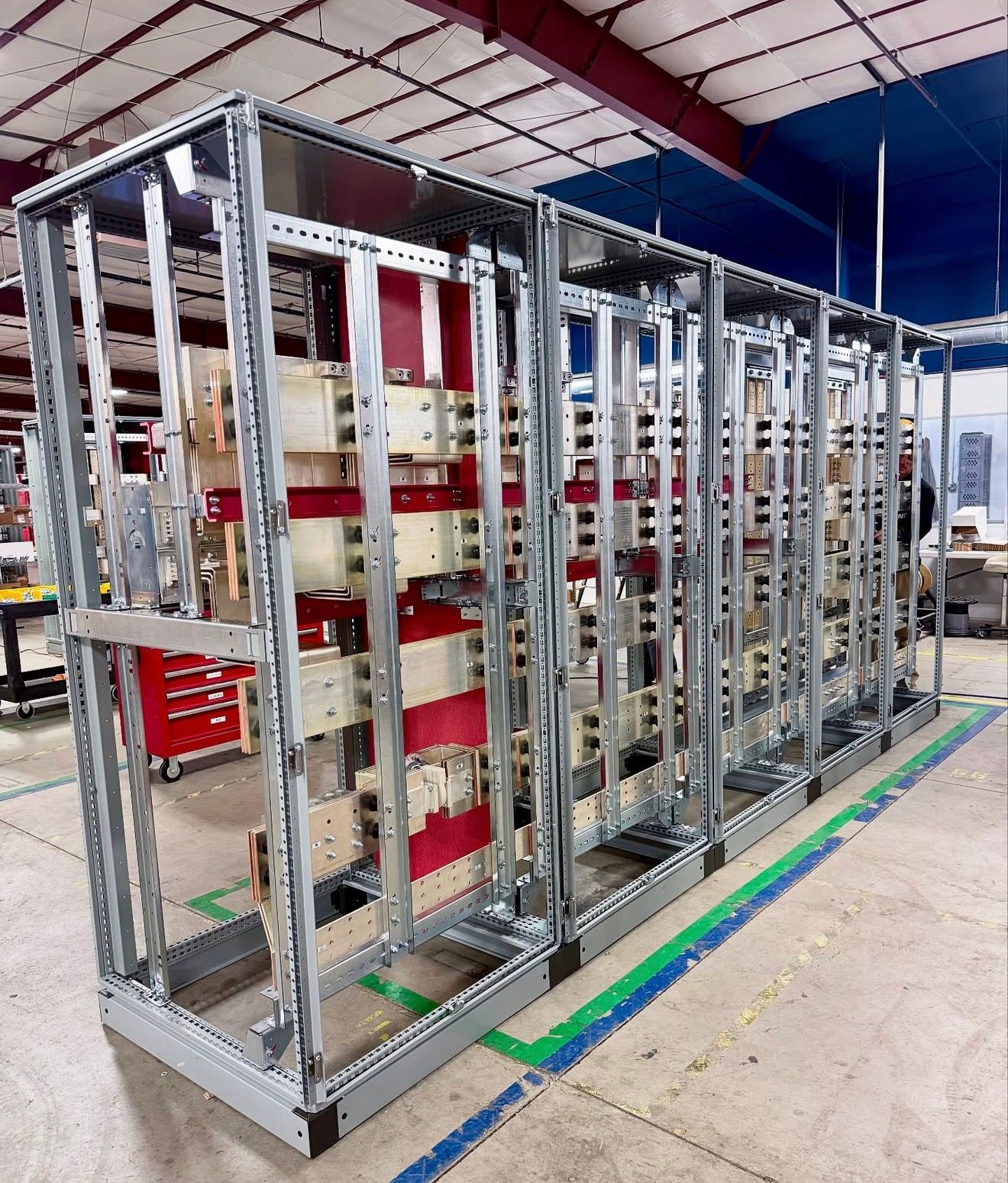
Together, these facilities house two fully integrated machine shops and a complete panel shop — giving EEE the capability to take raw copper and steel and turn it into finished, field-ready electrical equipment, largely without leaving our own walls.
From Raw Material to Finished Product
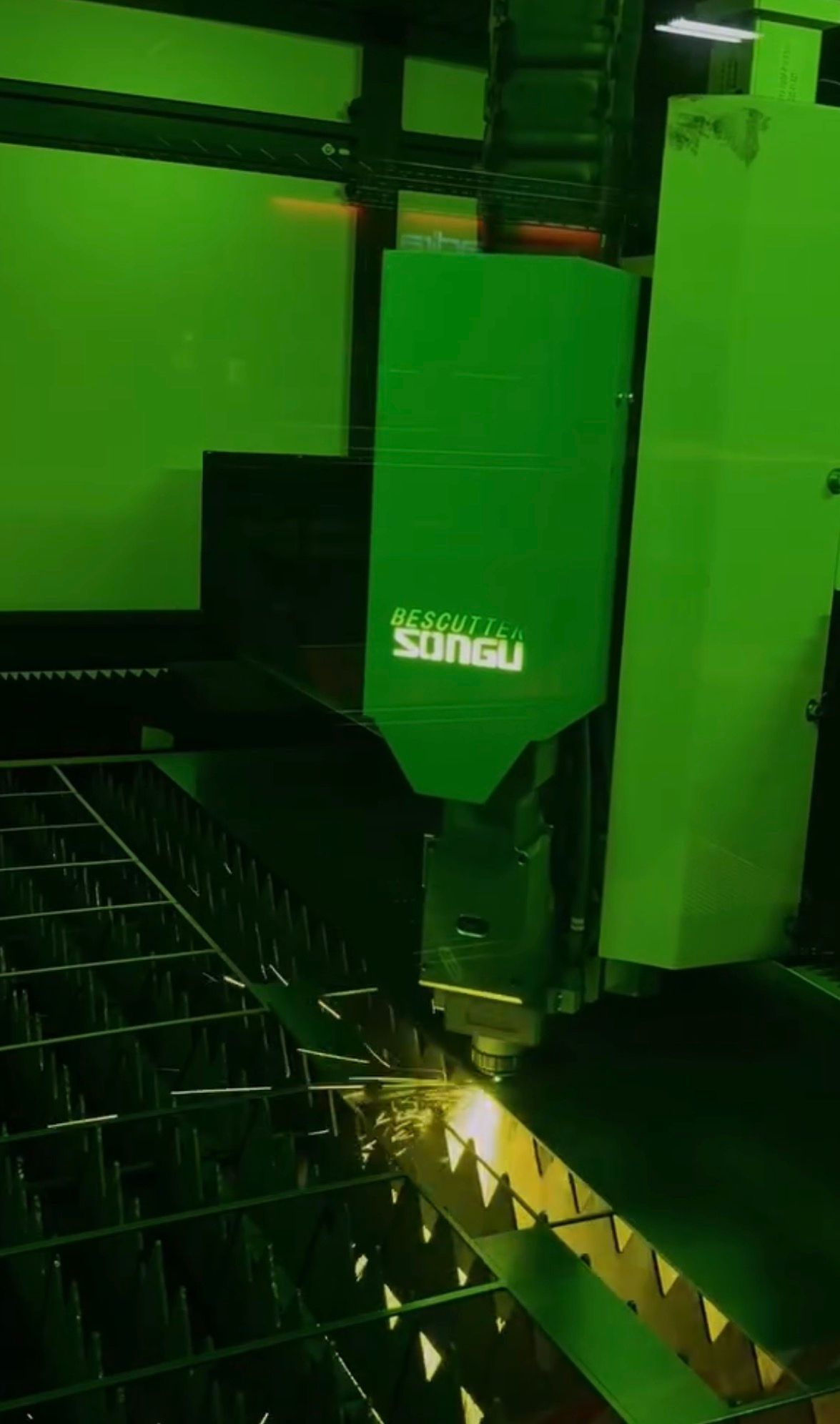
Vertical integration isn't a buzzword at EEE — it's how we control quality, lead times, and cost for our customers. Our facilities are equipped with a full range of cutting, forming, and machining equipment — including laser cutting, punch presses, press brakes, CNC machining, waterjet cutting, and precision bus bar fabrication — alongside welding, a full panel shop, and complete wire processing capabilities from cutting to labeling and termination.
This equipment lets us fabricate everything from custom bus bar and enclosures to fully wired, tested control panels and switchgear — all under one roof. The only steps we don't perform in-house are powder coating and tinning, which we handle through trusted local partners, keeping those processes close by without sacrificing quality control.
Why It Matters
Manufacturers who outsource fabrication are at the mercy of someone else's schedule, someone else's quality standards, and someone else's supply chain. Because EEE controls the process from raw material to finished product, we can hold tighter tolerances, respond faster to custom requirements, and protect our customers from the supply chain disruptions that have become all too common in the industry.
meet our partners
Meet Our Leadership Team
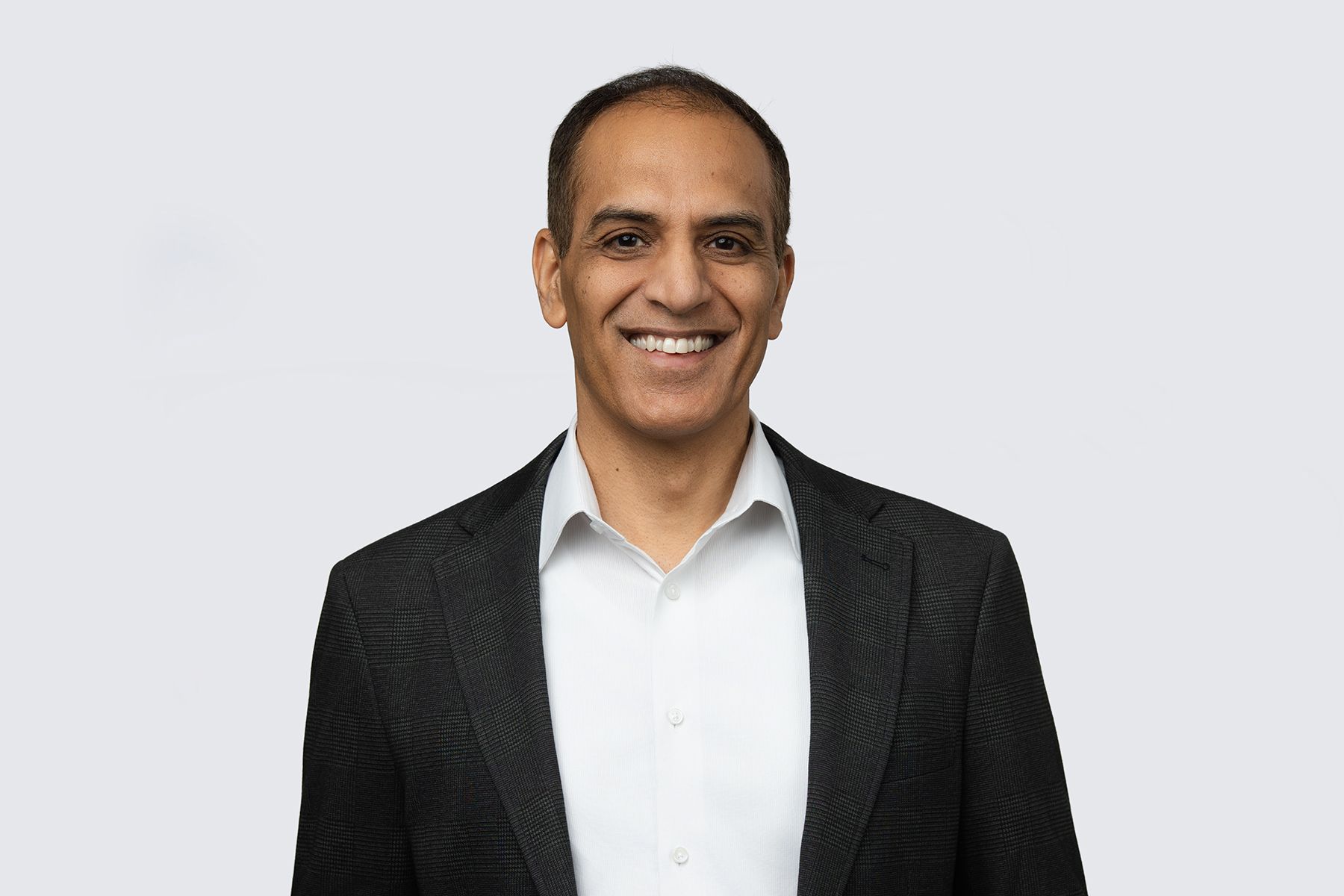
Sachin Nijhawan

Brad Hettlinger

Dakota Massey
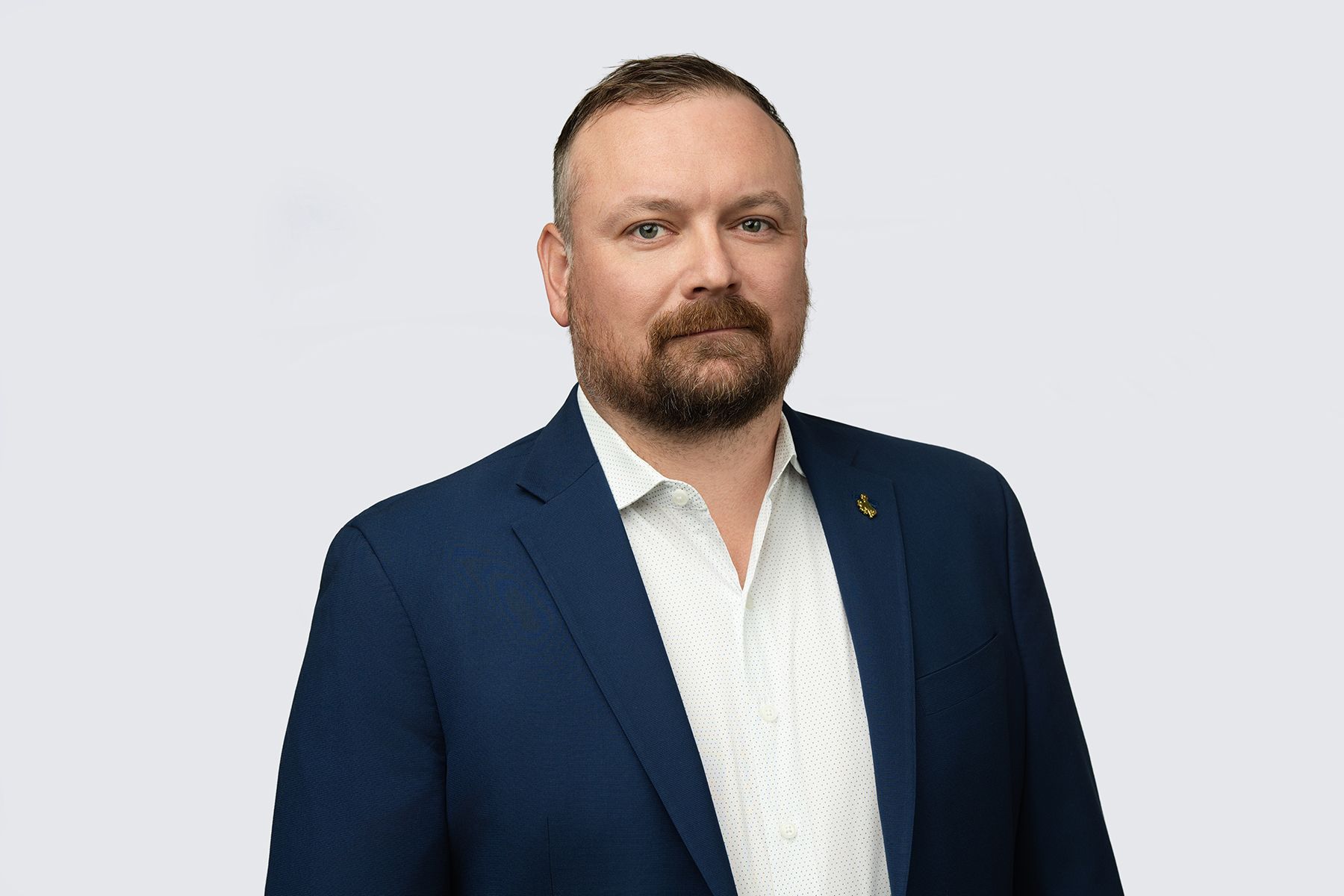
John Clay
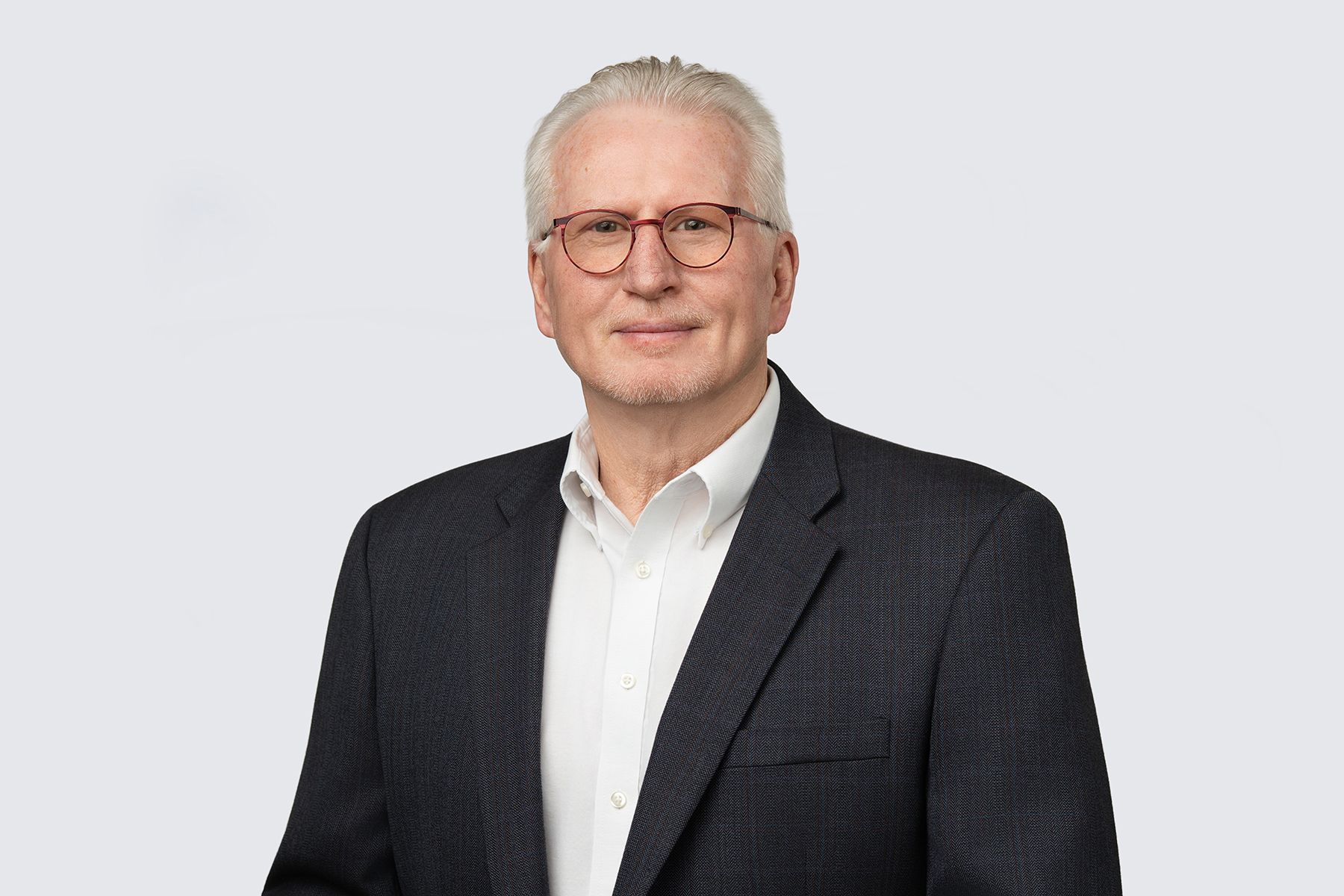
Dave Morrow
Submittal Process
A clear path from purchase order to project release.
1
Order
Submission
Initial order
placement and
documentation.
2
Order
Submission
Initial order
placement and
documentation.
3
Order
Submission
Initial order
placement and
documentation.
4
Order
Submission
Initial order
placement and
documentation.
5
Order
Submission
Initial order
placement and
documentation.
6
Order
Submission
Initial order
placement and
documentation.
7
Order
Submission
Initial order
placement and
documentation.